Briefs and Shot Lists
Part of Product demonstrations in UGC videos
Showing product scale when viewers cannot touch it
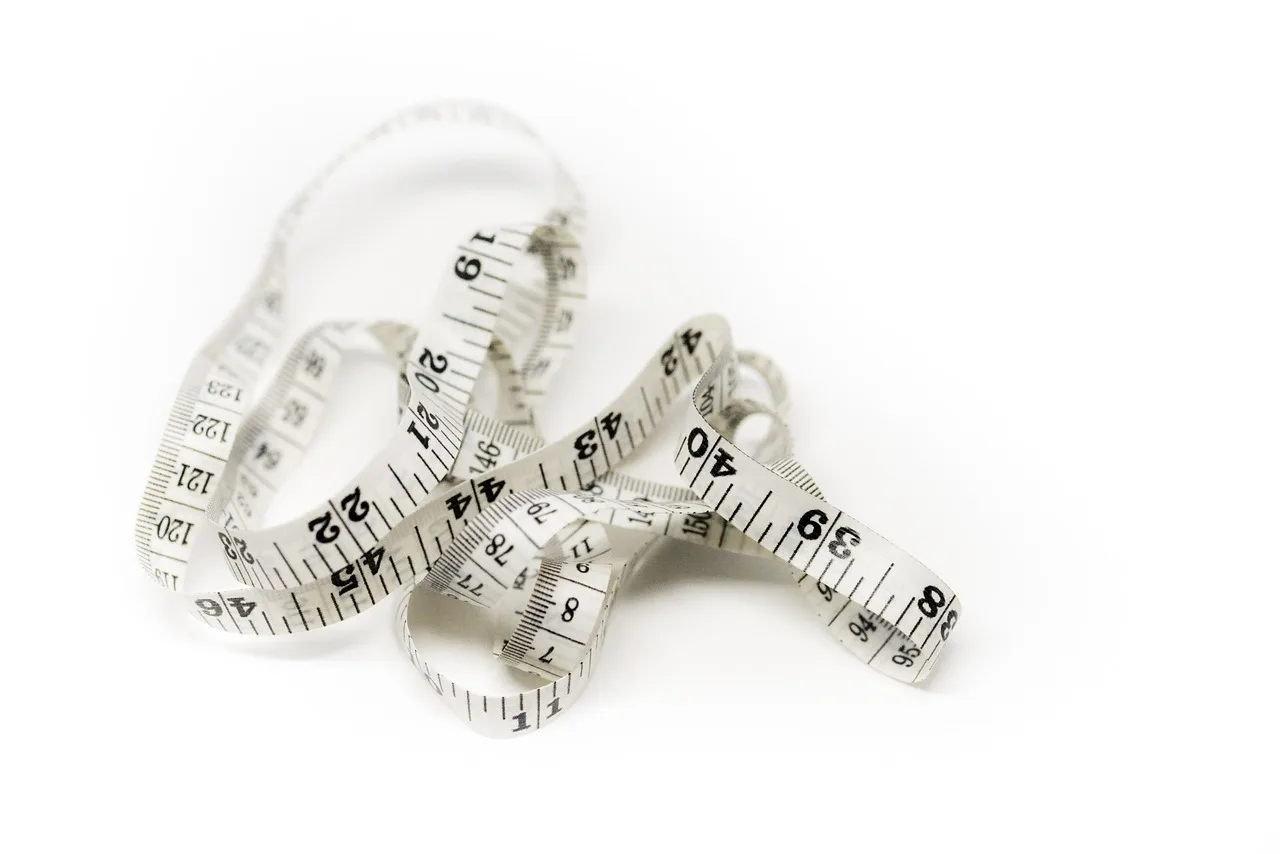
Show product scale with verified measurements and a reference that viewers can interpret.
Show product scale with verified measurements and a reference viewers can interpret. A close-up can make a small item look large; a wide shot can make a large item look compact. Use framing to clarify size, then put the actual dimensions in on-screen text or the accompanying description when they matter to purchase.
Choose the dimension that answers the question
For a bag, capacity and how it sits on a person may matter more than a single width. For a desk object, show height and footprint next to the space it occupies. For a wearable product, describe the model and size worn.
Ask which dimension the buyer needs before filming. Verify measurements against the actual variant on camera; do not borrow specifications from a similar model.
A familiar object can help, but it is only a visual reference. A mug, hand or coin varies in size, so pair it with a measurement if precision matters.
Include a shot that keeps the product and reference in the same plane to reduce perspective distortion. Avoid a wide-angle close-up that exaggerates whichever object is nearest the lens.
Show use context
Film the product where a buyer will use it: on a shelf, beside a laptop, in a cupboard or held in a hand. Show the full product before cutting to details.
If the item folds or expands, show both states and the transition. If only one size or colour is filmed, label it rather than suggesting every variant has identical dimensions.
The ACCC says it can require businesses to back up claims they make about their products or services. Treat scale cues as something viewers may rely on: if camera perspective makes a product appear to fit somewhere it would not, correct the impression with a clearer shot.
Key Guidelines from Australian Consumer Law and Industry Best Practice
- ACCC requirementBusinesses must be able to substantiate claims about product size and fit.
- Recommended reference objectsMug, hand, coin — but only if paired with precise measurements.
- Avoid perspective distortionDo not use wide-angle lenses close to the product; keep reference and product in same plane.
- Show both states for expandable/foldable productsInclude transition shots to demonstrate real-world use.
Review on a small screen
Watch the edit at the size and orientation in which it will be published. Can the whole item be seen long enough to understand its proportions? Are dimension captions readable? Does a close-up have a preceding or following wide shot so viewers know which part they are seeing?
Use a simple sign-off record: filmed model and variant, verified dimensions, reference object, a shot that establishes scale, and the person who checked the claim. It takes less work than resolving a mismatch after publication. The aim is to give viewers enough context to judge fit without pretending a video can replace handling the item.